Creatine for depression: what the 2026 trials actually show
Creatine for depression looks most plausible as an add-on to standard care, but the 2026 review rests on small, mixed trials and narrow patient groups.
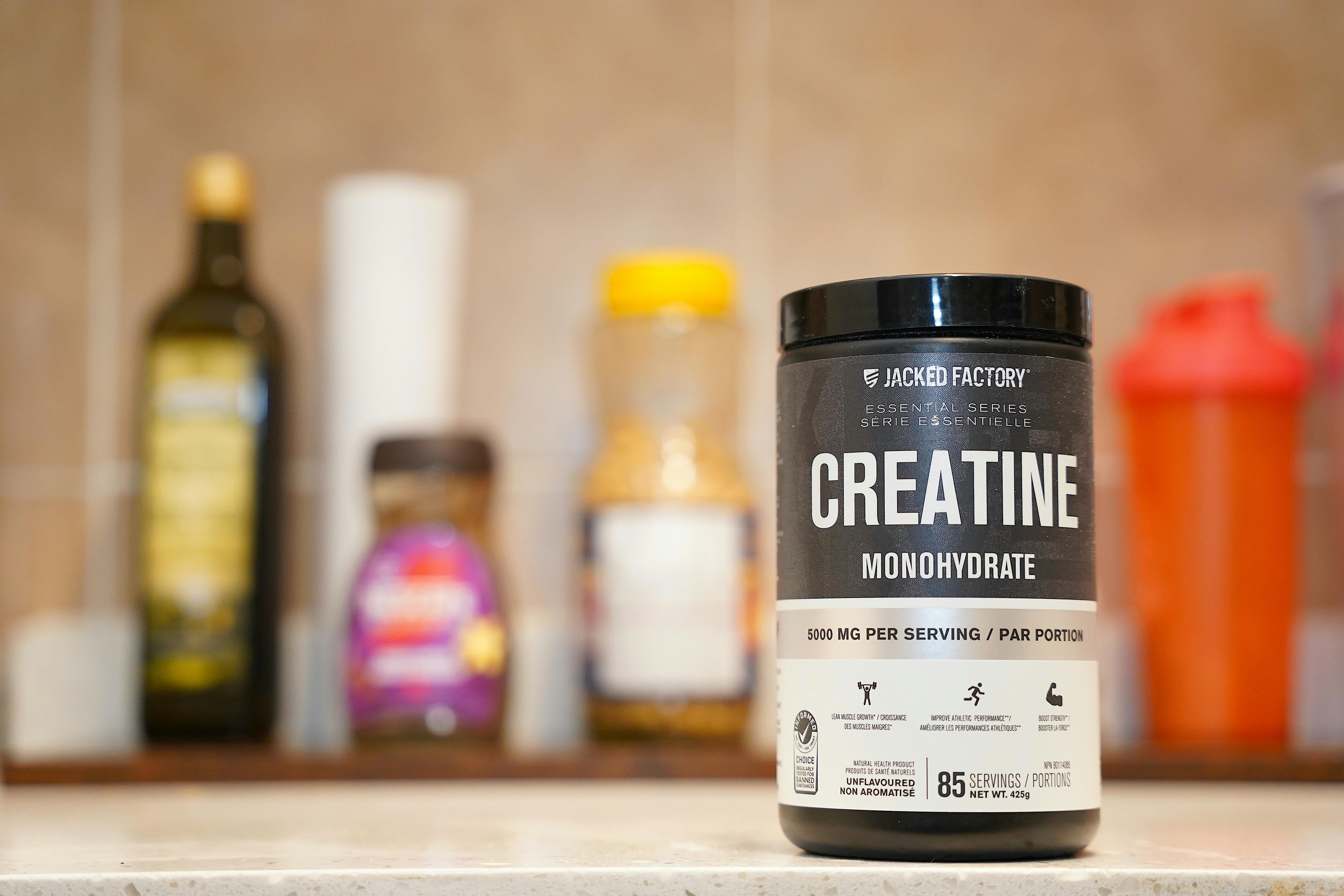
Most people still meet creatine in the language of the gym: shaker cups, loading phases, the hope of one more rep. Depression belongs to a different world. Appointments. Side effects. Stalled mornings. The private arithmetic of whether a treatment is finally doing anything. Put those worlds together and the question can sound a little too tidy: could a supplement known for muscle energy matter for mood?
A 2026 systematic review in the Canadian Journal of Psychiatry is the best reason to ask without rolling your eyes. Bassam Jeryous Fares and colleagues examined five randomized controlled trials, published across six articles, with 238 participants in all. Doses ran from 2 g to 10 g a day, usually for four to eight weeks. Their conclusion was narrower than the wellness version of the story. Some trials suggested benefit, especially in women with major depressive disorder already receiving standard treatment. Others did not.
Here the argument splits. To a patient who has tried several treatments, the review may look like the first credible sign that creatine has a place beside established care. A methodologist may read the same paper as a warning label: small samples, women-heavy enrollment, and no clean proof that creatine does much by itself. Both readings are in the evidence. The job is not to choose the more exciting one.
Why creatine entered the depression conversation
Over the past year, creatine has drifted out of the gym and into the wider wellness conversation. The Guardian has asked whether everyone should be taking it. GQ has treated it as one of the few supplements trendy enough to cross from lifting culture into mainstream brain-health talk. That cultural drift matters because it creates demand for a bigger story than sports nutrition. The scientific case is smaller and more specific.
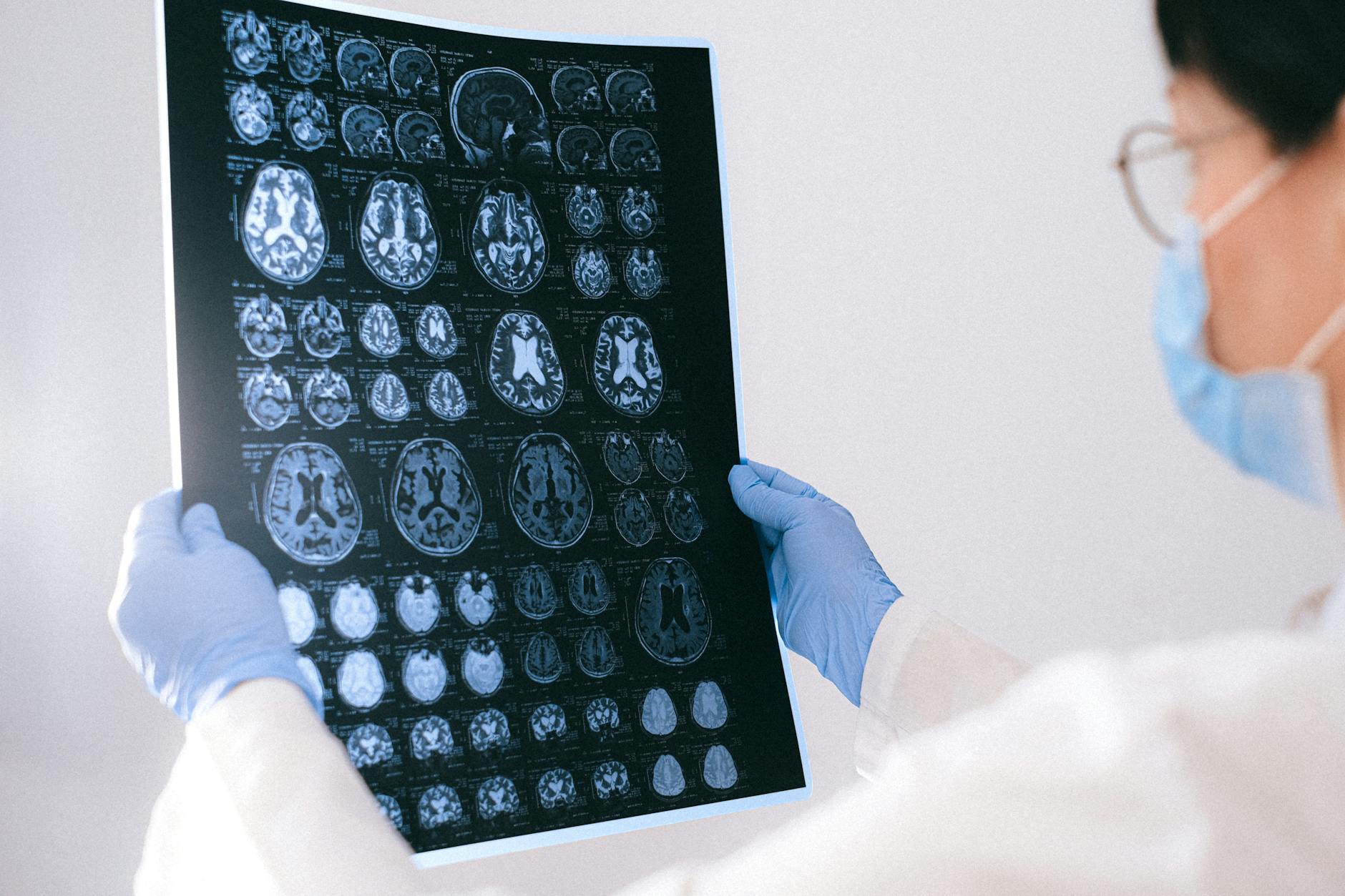
Biologically, the idea is easy to follow. Creatine helps cells recycle energy, and the brain is an expensive organ to run. If some depressive symptoms are tied up with impaired brain-energy metabolism, a low-cost compound with a long sports-nutrition history becomes worth testing. Plausibility, though, is only a reason to run trials. It is not a result.
Fares, the first author of the new review, was careful about that distinction when the paper was publicised.
“The signal is interesting, but it is not a verdict.”
Bassam Jeryous Fares, via ScienceDaily
His line answers the first question in the room. The 2026 review does not tell clinicians to treat creatine as a new antidepressant. It says there is enough of a hint, in a narrow slice of patients, to take the idea seriously without pretending the case is settled.
Timing helped the paper travel. Creatine already has a foothold in public discussion as a supplement that may do more than help short bursts of muscular work. After a compound gets that reputation, every mental-health paper is tempted to carry more weight than it should. The useful move is to put this one back at its actual scale.
The clearest signal came from women already in treatment
Still, the strongest positive result in this literature is the 2012 randomized trial in the American Journal of Psychiatry. In Kyoon Lyoo and colleagues enrolled 52 women with major depressive disorder, then tested 5 g a day of creatine as an add-on to escitalopram over eight weeks. Compared with placebo augmentation, the creatine group improved faster and more deeply on depression scores. Researchers keep circling back to that study because it offered a patient-level signal, not just a theory.

Read closely, though, even that trial argues for restraint. All participants were women. Creatine was tested as augmentation, not as a replacement for antidepressant therapy. Its most useful question is therefore modest: could creatine help a particular subset of patients respond better when a standard SSRI is already on board?
From there, the field narrows rather than opens. The 2026 review found that positive findings clustered around adjunctive care, including the escitalopram trial and another design involving cognitive behavioral therapy, rather than stand-alone supplement use. That is why the insider view sounds more cautious than supplement marketing. Creatine may, at best, modestly improve outcomes in a subgroup already receiving proven care.
For readers wondering whether adjunct is just a softer word for optional, the practical answer is sharper. On current evidence, creatine belongs in the add-on category or nowhere. Barry K. Herman, a psychiatrist quoted in Healthline’s reporting on the review, put the hierarchy plainly.
“Before adding supplements, patients should first receive a comprehensive evaluation to ensure an accurate diagnosis and that proven treatments have been optimized.”
Barry K. Herman, via Healthline
For a person with major depressive disorder, that means creatine should be treated as an add-on only, never as a replacement. The trial base points that way, and nothing in the 2026 synthesis strengthens the replacement case.
The null trials and population studies pull in opposite directions
Positive studies make creatine look intriguing. Negative ones keep the hype from hardening into doctrine. The 2013 pilot dose-finding trial tested 5 g and 10 g daily doses alongside antidepressant treatment and did not find an overall advantage versus placebo. The systematic review also included a bipolar-depression study that failed to show a clear benefit. Those are not footnotes. They are the reason no careful reader should talk as if the field has converged.

For skeptics, this is the central point. Across all five randomized trials, the total sample is only 238 people. A small number of studies carry the positive signal, some with narrowly defined participants. Women appear to drive much of the apparent benefit. That may reflect real biology. It may also reflect recruitment patterns, chance, or a trial design more likely to detect benefit in that subgroup. With datasets this small, those explanations are hard to separate.
Population research broadens the story while muddying it. In a 2020 NHANES analysis of 22,692 U.S. adults, higher dietary creatine intake was associated with lower odds of depression, with an adjusted odds ratio of 0.68. Depression prevalence was 10.23 per 100 in the lowest intake group and 5.98 per 100 in the highest. A 2026 Korean population study found a similar pattern, with depression present in 6.9 percent of people in the lowest creatine-intake quartile versus 3.3 percent in the second quartile.
Such findings suggest the mood question was not invented out of thin air by supplement culture. They do not solve the clinical question. Cross-sectional nutrition studies can show correlation, not cause. People who consume more creatine may differ in diet quality, health status, income, exercise habits, or illness burden in ways that statistical adjustment only partly captures. These papers tell researchers where to look. They do not tell a psychiatrist what to do on Monday morning.
What a cautious reader should do with the signal
Covering supplement research is hard because early-stage evidence rarely sounds the way readers want it to sound. The honest version is conditional. Creatine may help some people with depression. So far, the best human trials suggest the clearest possibility is in women with major depressive disorder who are already being treated with an SSRI or perhaps structured therapy. The same literature also contains null findings, bipolar ambiguity, and too little scale to generalise confidently.

None of that makes the subject unimportant. A useful phase three-style trial would need to answer the questions the current papers leave half-open: which patients are most likely to benefit, whether sex differences hold up in larger cohorts, how creatine performs against more diverse background treatments, and what the effect looks like when the endpoint is clinical relevance rather than a score change alone.
For now, the most defensible patient-facing takeaway is modest. Creatine appears reasonably safe in the limited psychiatric literature, with adverse events in the review largely described as mild gastrointestinal discomfort. Nicholas Fabiano, the review’s corresponding author, made the same point while staying inside the evidence.
“Creatine appears to be a safe intervention. The adverse events we found were limited to mild gastrointestinal discomfort.”
Nicholas Fabiano, via ScienceDaily
Safe, however, is not the same as indicated. Someone already in treatment for depression should read this literature as a reason to have a more informed conversation with a clinician, not as a cue to improvise with a tub of powder. People with bipolar disorder, kidney disease, or a complicated medication list have even more reason to keep the supplement aisle out of solitary decision-making. Anyone considering creatine should consult their doctor before starting any supplement.
The 2026 review is worth attention because it clears a low bar that much wellness chatter never reaches: randomized trials, not just anecdotes and mood-board speculation. It is also worth resisting because the trial base is still small enough that enthusiasm can outrun it in a week. Creatine may yet carve out a role in depression care. For now, the most interesting version of the claim is also the narrowest one.
References
- Jeryous Fares B, Zhou C, Fabiano N, et al. The Effect of Creatine Monohydrate on Mental Disorders: A Systematic Review of Randomized Controlled Trials. Canadian Journal of Psychiatry. 2026. PubMed
- Lyoo IK, Yoon S, Kim TS, et al. A randomized, double-blind placebo-controlled trial of oral creatine monohydrate augmentation for enhanced response to a selective serotonin reuptake inhibitor in women with major depressive disorder. American Journal of Psychiatry. 2012. PubMed
- Nemets B, Levine J. A pilot dose-finding clinical trial of creatine monohydrate augmentation to SSRIs/SNRIs/NASA antidepressant treatment in major depression. International Clinical Psychopharmacology. 2013. PubMed
- Bakian AV, Huber RS, Scholl L, et al. Dietary creatine intake and depression risk among U.S. adults. Translational Psychiatry. 2020. PubMed
- Ostojic SM, Baltic S, Zanini D. Dietary creatine intake and mental health among the Korean population. Nutritional Neuroscience. 2026. PubMed
The Vitalspell brief
Evidence-based supplement science — weekly in your inbox.
Subscribe