BMI obesity risk: why one in four adults may be missed
BMI obesity risk can be missed when weight and height stand in for body fat. A 2026 study suggests waist measures may flag more adults.
BMI can miss obesity risk because it is a ratio of weight to height. The index does not measure body fat, where fat is stored, or whether excess fat is already affecting organs. In a 2026 study in Annals of Internal Medicine, researchers put that blind spot in numbers: under a newer clinical-obesity framework, 26.1% of U.S. adults with a “normal” BMI and 50.3% with an “overweight” BMI still met criteria for clinical obesity.
None of that makes BMI useless. It makes BMI a screen. For someone whose number has always been called “fine,” the study is a reminder that metabolic risk can sit outside the tidy BMI boxes on a chart. Clinicians face a more practical question: when should waist measurements, blood markers, symptoms, and daily function carry more weight than one weight-height ratio?
“Our findings show that millions of Americans may already have obesity-related health impacts and may be missing needed health interventions.”
Brian P. Lee, USC / EurekAlert!
Read beside the 2025 Lancet Diabetes & Endocrinology commission, the study summarized by USC through EurekAlert is part of a broader move away from body size alone. Francesco Rubino and colleagues defined clinical obesity as excess adiposity, meaning excess body fat, that is already causing tissue, organ, or whole-person dysfunction.
What BMI measures, and what it cannot see
BMI is calculated by dividing body weight in kilograms by height in meters squared. It works reasonably well for population tracking, where a rough and cheap measure can show how weight categories change across millions of people. For an individual patient, it cannot show where fat is stored, how much lean mass they carry, or whether their liver, blood vessels, joints, or glucose metabolism are under strain.
The Annals team tested that gap. Researchers analyzed 5,642 adults from the 2021 to 2023 National Health and Nutrition Examination Survey, a long-running U.S. dataset that combines interviews, physical exams, and lab measures. Rather than treating BMI as the final answer, they applied the newer clinical-obesity criteria to ask who had excess adiposity plus evidence of obesity-related health effects.
Lee put the limitation plainly in the press materials: “BMI is problematic because it does not specifically measure body fat”. Two people can have the same BMI while carrying very different amounts of muscle, visceral fat, or fat around the waist. Visceral fat, stored around abdominal organs, is more closely tied to insulin resistance, fatty liver disease, and cardiovascular risk than weight alone.
Waist-based measures keep returning in obesity research for that reason. A 2023 JAMA Network Open study by Khan and colleagues found that genetically influenced waist-to-hip ratio had a stronger association with all-cause mortality than BMI. Waist-to-hip ratio is imperfect, but it helps explain why researchers keep looking past the scale when they estimate risk.
What the 2026 study found
The number most likely to travel is simple: roughly one in four adults with a normal BMI met clinical-obesity criteria under the newer framework. Among adults in the overweight BMI range, the share was about one in two. The study also reported that 78% of adults had excess adiposity when defined by two or three abnormal body measurements, according to the press summary.
Those numbers are not a license to diagnose oneself at home. They show that BMI categories can hide risk in more than one direction. Some people with higher BMI may be metabolically healthy and physically functional. Others with lower BMI may have central adiposity, impaired glucose control, fatty liver disease, hypertension, or other obesity-related problems that do not show up in the weight-height ratio.
The 2025 Lancet commission paper explains the distinction. It describes “clinical obesity” as obesity with current illness or functional impairment. “Preclinical obesity” means excess adiposity without obvious organ dysfunction, but with higher future risk. The split shifts the question from “What is your BMI?” to “Is excess body fat already affecting health?”
For patients, that difference can be subtle and still matter. A normal BMI should not end the conversation if blood pressure, triglycerides, liver enzymes, glucose, sleep apnea symptoms, or waist measurements point elsewhere. A high BMI should not stand in for a full assessment either, especially in people with high muscle mass or unusual body composition.
Why waist measurements help, and where they fall short
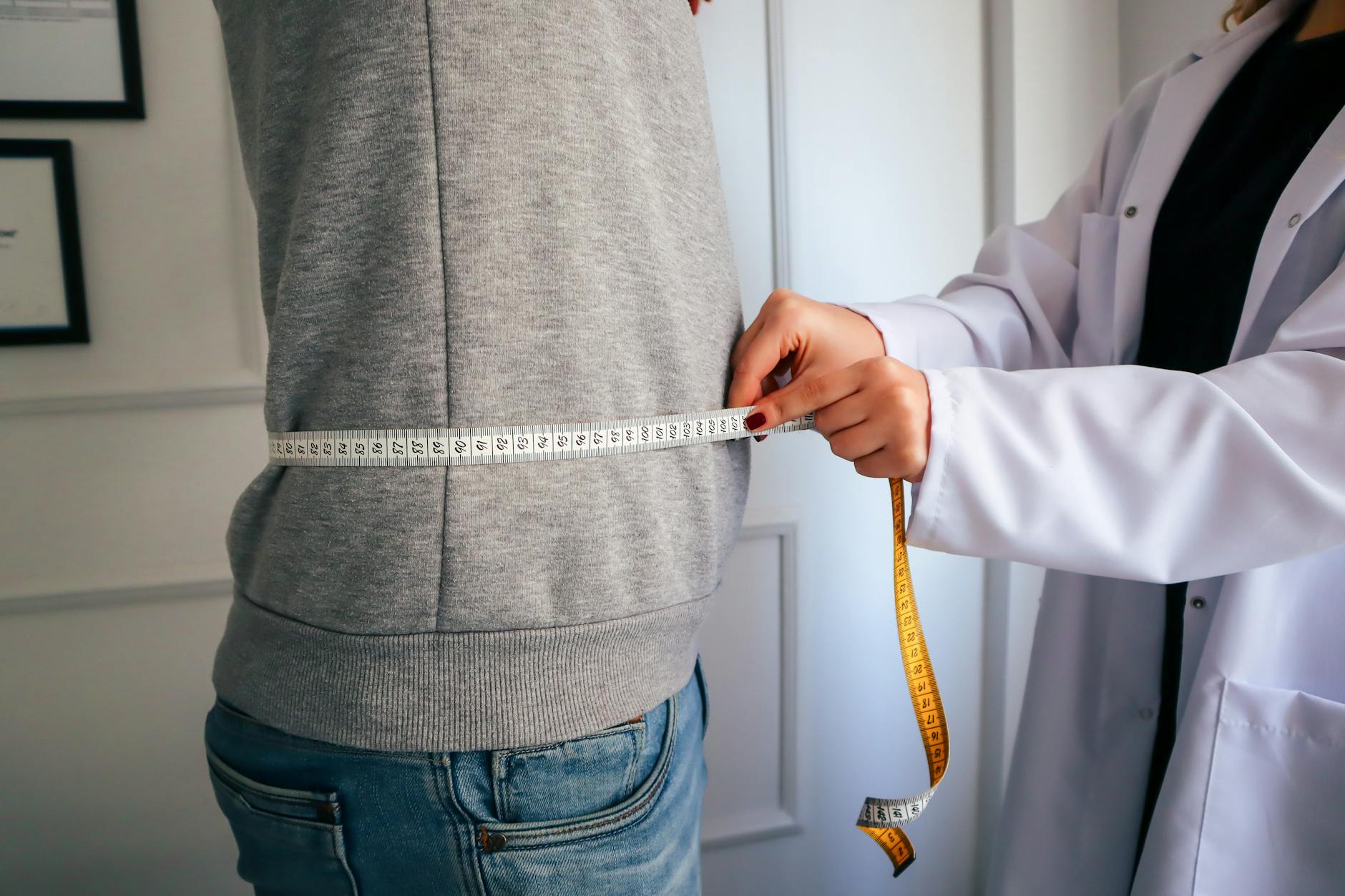
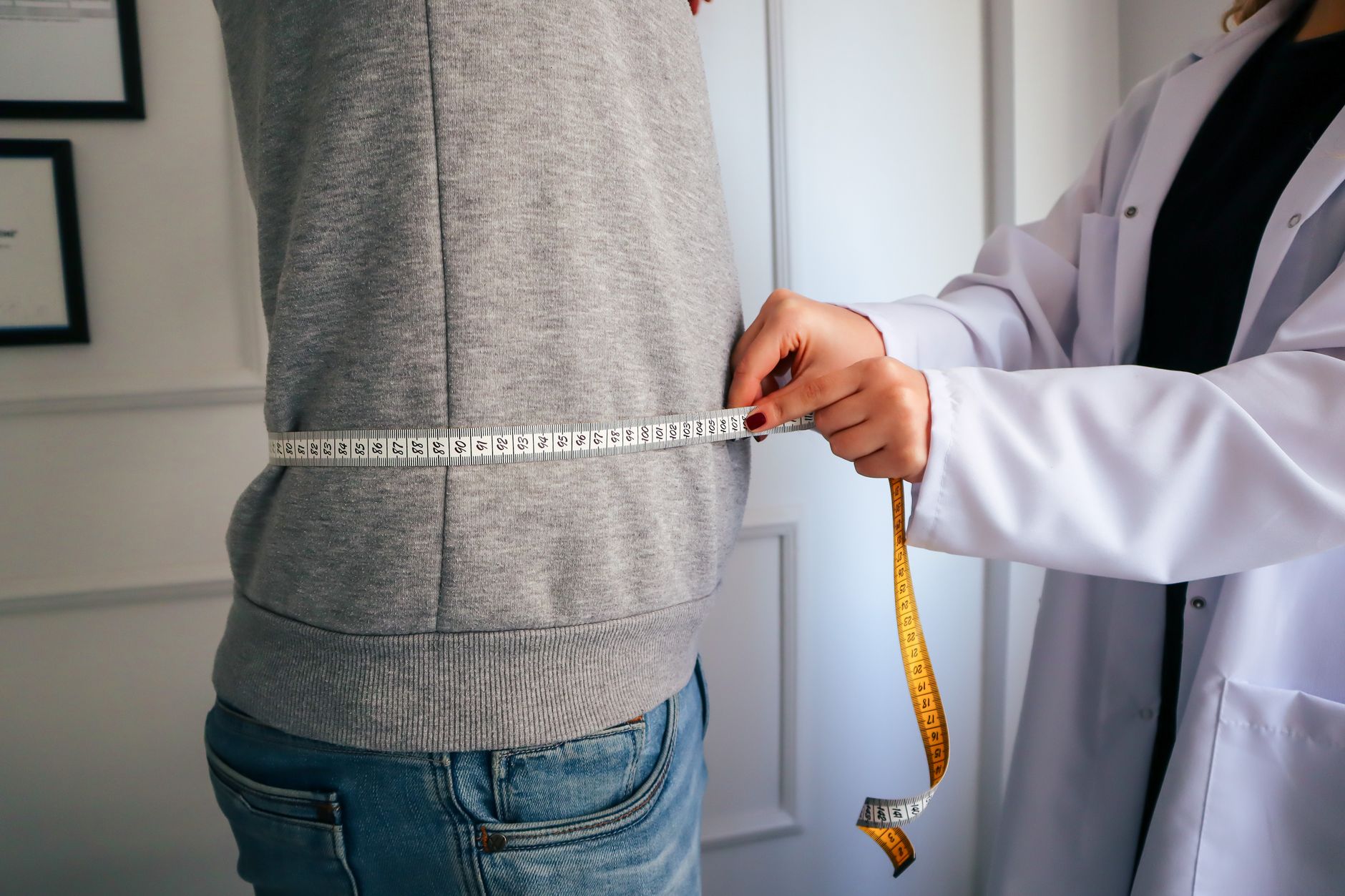
Waist circumference, waist-to-hip ratio, and waist-to-height ratio are appealing because they are cheap and closer to the biology BMI misses. They aim to capture abdominal fat, especially visceral fat, without requiring a DEXA scan, MRI, or other body-composition test.

Still, replacing one shortcut with another would be the wrong lesson. Waist measurements vary with technique, body shape, sex, age, and ancestry. They can improve the signal, not remove uncertainty. The newer definition is strongest when measurements are combined with clinical evidence: labs, symptoms, organ function, medication history, and the person’s ability to move through daily life.
Practical friction comes next. Mir Ali, a bariatric surgeon quoted by Healthline, noted that BMI remains common because it is easy to calculate:
“BMI remains the most widely used measure by providers and insurance companies because it is easier to calculate.”
Mir Ali, Healthline
Insurers, public-health dashboards, and primary-care visits run on simple thresholds. A richer definition may be more accurate, but it is harder to standardize. It may also change who qualifies for counseling, additional testing, obesity medications, or specialist referral. The 2026 study points toward a better screen. It does not prove which treatment pathway improves outcomes for newly reclassified people.
What readers should take from the shift
The useful lesson is not “ignore BMI.” It is “do not stop at BMI when the rest of the picture suggests risk.” A person with a normal BMI but a rising waist circumference, high blood pressure, prediabetes, fatty liver markers, or sleep apnea symptoms has reasons to ask for a broader cardiometabolic assessment. Someone with a higher BMI but strong fitness, normal labs, and no functional impairment still deserves a clinician who looks beyond the label.
Nature made a similar point in its analysis of the obesity-label debate: obesity and ill health do not map perfectly onto each other. That is why definitions are being revised. Disease labels are supposed to identify people who are harmed now or are at clear risk of harm, not merely sort bodies into categories.
Outcome research is the next test. If clinicians use the Lancet-style framework, do they find disease earlier? Do patients get better-targeted care? Do false positives increase? Do insurance rules adapt without creating new barriers? The Annals study answers a prevalence question. It shows how many people may be missed by BMI alone. It does not prove the best care pathway after reclassification.
For now, BMI still has a place on the first page of the chart. It just should not be the last page.
References
- Elhence H, Dodge JL, Fuest S, et al. National prevalence of clinical obesity by BMI class: a national cross-sectional study. Annals of Internal Medicine. 2026. https://www.acpjournals.org/doi/10.7326/ANNALS-25-05287
- Rubino F, Cummings DE, Eckel RH, et al. Definition and diagnostic criteria of clinical obesity. Lancet Diabetes & Endocrinology. 2025. https://pubmed.ncbi.nlm.nih.gov/39824205/
- Khan I, et al. Surrogate adiposity markers and mortality. JAMA Network Open. 2023. https://pubmed.ncbi.nlm.nih.gov/37728925/
The Vitalspell brief
Evidence-based supplement science — weekly in your inbox.
Subscribe