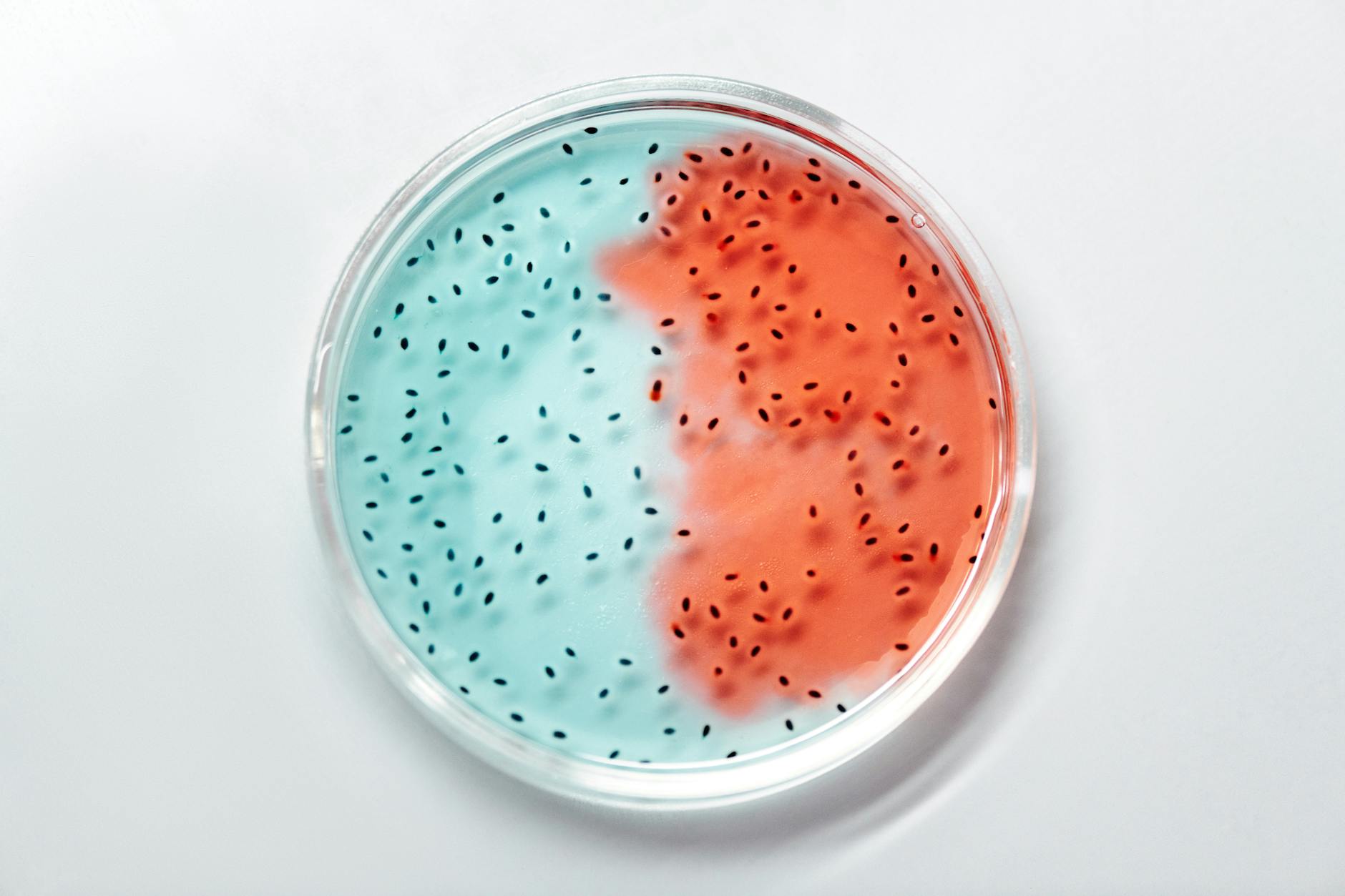
Probiotic-phytonutrient trial found only modest bowel gains
Probiotic-phytonutrient trial found only modest bowel gains and some gut-marker shifts over eight weeks, but the endpoints were surrogate-heavy.
A 2026 randomized placebo-controlled trial in Nutrients suggests that probiotic-phytonutrient blends can move bowel habits in a better direction, at least on paper. Among 60 adults enrolled and 54 included in the final analysis, participants assigned to either blend were more likely than those on placebo to shift toward Bristol Stool Form Scale types 3 to 5 over eight weeks. Fecal butyrate rose as well, and some gut-barrier markers changed in the expected direction.
Still, this is not the same as proof that a gut-health stack will meaningfully fix constipation, bloating or day-to-day digestive symptoms for the average buyer. The study tracked a sponsor-linked formulation from HEM Pharma and Amway Research and Development, not probiotics as a category, and many of its headline wins sit in surrogate territory rather than hard clinical outcomes.
Even so, the cleanest read is modest. Ah Young Hwang and colleagues found a signal worth taking seriously, but the paper is better seen as an early test of a branded multi-ingredient strategy than as a consumer guide. For Vitalspell readers, the question is not whether the results can fuel marketing copy. They can. The question is whether the evidence is strong enough to change what anyone should do next.
What the trial actually found
On paper, the design was respectable for an early nutrition intervention. The 2026 Nutrients paper reports three arms: placebo, a higher-dose blend called PBP1 with 3 billion CFU a day, and a lower-dose blend called PBP2 with 1 billion CFU a day. Both active arms also carried the same phytonutrient base, which means the trial was not isolating a single strain or a single botanical. It was testing a package.
The work is also available as a Preprints.org manuscript, which answers the easy question of whether the study exists in full. It does not answer the harder one. Independent replication is still missing, and that gap matters more than whether the first public version appeared as a preprint or a journal paper.

Instead of promising dramatic symptom relief, the results were narrower. Both blends improved the share of stools falling into the normal Bristol range, and both were associated with shifts in fecal short-chain fatty acids, including butyrate. Those are plausible mechanistic signals. But mechanistic signals are still one step removed from the question readers actually care about, which is whether they feel reliably better.
In its coverage of the paper, NutraIngredients quoted the authors in language that captured the study’s hypothesis-driven tone more than a finished verdict:
“Collectively, these findings suggest that probiotic-phytonutrient supplementation may influence gut microbial activity and gut barrier-related biomarkers through microbiome-mediated metabolic modulation.”
— Ah Young Hwang et al., NutraIngredients.com
Mechanistically, that is plausible. The phrasing matters anyway. “May influence” is doing a lot of work there, and it should. A change in stool form over eight weeks can matter, especially for people on the edge of irregularity, but it is not the same as showing durable clinical benefit, fewer flare-ups or superiority to simpler interventions.
Why the formulation matters as much as the microbes
Yet calling this a probiotic study is slightly misleading. The active products were probiotic-phytonutrient blends, not plain capsules built around one named strain. That distinction is easy to miss in supplement headlines, and it is the key reason this trial should not be stretched into a broad claim about what “probiotics” do.
A related 2026 paper in Biology helps explain the logic. That study, from the same research lane, described a phytonutrient-enriched prebiotic mixture as a way to prime the gut environment and potentially enhance probiotic activity. In other words, the formulation theory is not that bacteria alone carry the whole effect. The substrate around them may matter just as much.
Seen another way, the result may reflect the stack architecture rather than the strain count. If it failed, that would not have disproved probiotics as a class either. Readers deciding between fermented foods, fiber, a single-strain supplement and a branded gut-health blend are making real-world comparisons. This trial compared the blend only with placebo.
The authors also say, via NutraIngredients’ summary, that the paper should be read as exploratory rather than definitive:
“Given the exploratory nature of the study and the reliance on surrogate outcome measures, further studies are needed to confirm these findings and determine their clinical significance.”
— Ah Young Hwang et al., NutraIngredients.com
For a sponsor-linked trial, that caution is not boilerplate. It is the core of the story. Randomized, placebo-controlled nutrition studies can be useful. Once the product being tested is a commercial formulation built to live in a crowded wellness market, though, the evidentiary burden rises fast.
Why the broader gut-health trend raises the bar
Outside the journal page, gut health has become a category where everything starts to sound interchangeable. CNBC recently reported on the functional beverage boom, where protein coffee, CBD soda and other “better for you” products compete for the same wallet share. The New Yorker, in an original analysis of the fibre fad, made a related point from the diet side: digestive wellness has become a catchall story into which brands can pour almost any ingredient.
Context cuts both ways. A multi-ingredient gut blend is exactly the kind of product modern shoppers are being asked to evaluate. At the same time, the commercial noise makes careful reading more important. A statistically significant shift in stool form is easy to overstate once it leaves the methods section and turns into packaging language.
There is also a simpler comparison missing here. Readers do not choose between this blend and placebo. They choose between this blend and doing something else: eating more fiber, adding fermented foods, trying a single-strain product, or seeing a clinician when symptoms persist. That is why the absence of an active comparator matters. Even a positive placebo-controlled result does not answer whether a more complex and presumably pricier stack outperforms easier, lower-cost approaches.
What the paper changes, and what it does not
Practically speaking, the most defensible takeaway is narrow. Hwang and colleagues’ 2026 Nutrients trial suggests that a specific probiotic-phytonutrient formulation can shift stool-form measures and some microbiome-related biomarkers over eight weeks. That is enough to justify follow-up work. It is not enough to turn a sponsor-linked blend into general supplement advice.
Nor does the trial settle the practical questions readers usually bring to gut-health products. Which component mattered most? Did the higher-dose arm outperform the lower-dose arm in a clinically meaningful way, or were both simply better than placebo on select measures? Would the effect hold up in people with diagnosed constipation, IBS or a more complicated medical history? This paper does not close those loops.
A better use of the study is as a screening tool for claims. If a brand cites this trial as proof that combined probiotic-phytonutrient formulas improve bowel regularity, that statement is directionally grounded. If the same brand implies the evidence is mature, independently replicated or strong enough to displace diet-first care, that goes well beyond what the paper shows.
For readers curious about gut-health stacks, the right response is not enthusiasm or dismissal. It is sharper questions. Was the trial independent? Were the outcomes symptom-based or biomarker-based? Was the product a single strain, a fiber-plus-probiotic blend or something even harder to parse? Early positive data can be worth watching. It is not the same thing as a reason to buy.
References
- Hwang AY, et al. Effects of probiotic-phytonutrient blends on defecation, intestinal barrier function, and gut microbiota: a randomized, placebo-controlled trial. Nutrients 18(13):2085. 2026. https://www.mdpi.com/2072-6643/18/13/2085
- Hwang AY, et al. Effects of probiotic-phytonutrient blends on defecation, intestinal barrier function, and gut microbiota: a randomized, placebo-controlled trial. Preprints.org. 2026. https://www.preprints.org/manuscript/202605.1059
- Phytonutrient-enriched prebiotic mixture primes the gut environment to enhance probiotic efficacy: ex vivo screening and a human clinical trial. Biology 15(13):1006. 2026. https://www.mdpi.com/2079-7737/15/13/1006
Clinical researcher covering the gut-brain axis, probiotics, and metabolic health. Reports from Boston.
The Vitalspell brief
Evidence-based supplement science — weekly in your inbox.
Subscribe