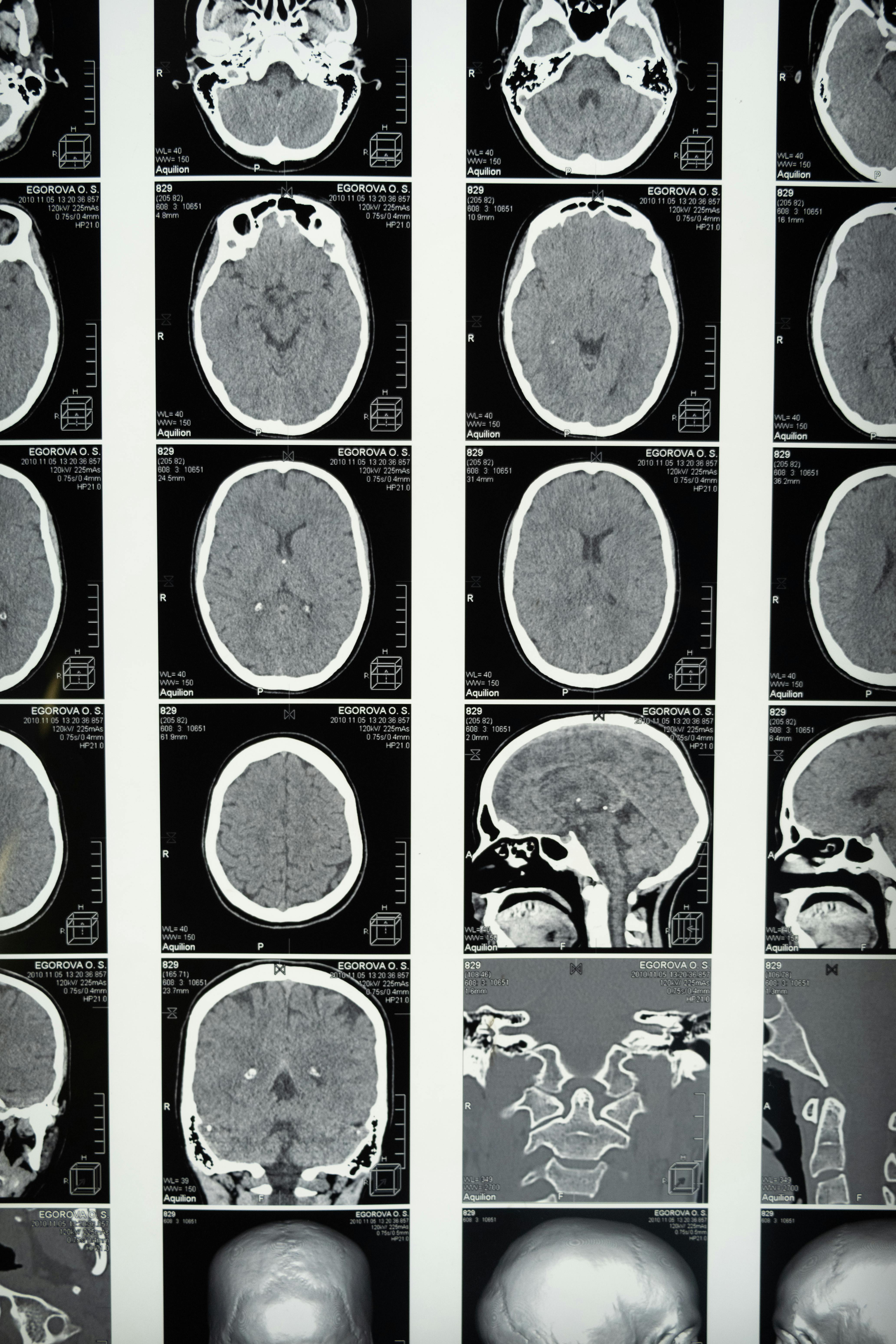
Why common dementia risks may hit women harder
Hypertension, diabetes, and hearing loss may impair cognition more in women than men, a new analysis of over 17,000 older adults suggests.
A new analysis of more than 17,000 older adults suggests something that should shift how we think about dementia prevention: the same risk factors — hypertension, higher BMI, diabetes, hearing loss — may do more cognitive damage in women than in men. Even when those risk factors are actually more common among men. Unequal prevalence, the authors argue, is only the surface.
The study, published in Biology of Sex Differences by first author Megan Fitzhugh and senior author Judy Pa at UC San Diego School of Medicine, drew on the long-running Health and Retirement Study to examine 13 modifiable dementia risk factors and their sex-specific links to cognitive performance. The participants numbered 17,182, mean age 69.2 years, 59.2 percent women. They completed cognitive assessments alongside surveys capturing blood pressure, sleep quality, and a dozen other variables. Ten of the 13 risk factors showed significant sex differences in how often they occurred. But prevalence, Fitzhugh told UC San Diego Today, is only half the story. “Looking beyond which risk factors are most common, we found that some have a disproportionately larger impact on women’s cognition.”
Here is the pattern that makes the paper worth reading closely. Men in the sample had higher rates of hearing loss — 64 percent versus 50 percent of women — yet hearing loss was more strongly tied to poorer cognitive scores in women. Diabetes was more prevalent in men too, roughly 24 percent compared with 21 percent, but its cognitive toll again fell harder on women. Hypertension followed the same asymmetry: more common in men, more cognitively damaging in the women who had it. Elevated BMI showed a negative association with cognitive performance specifically in women in their 50s and 60s — a midlife window where cardiovascular and metabolic health may carry outsized consequences for the brain. On the flip side, women had higher rates of depression (17 percent versus 9 percent) and were more likely to report physical inactivity and poor sleep, factors already recognised as dementia risks in their own right. The overall picture is not that women simply carry more risk factors. It is that when they do carry certain risks, the cognitive price tag appears steeper.
Not everyone in the field reads the evidence as a clean case for sex-differential vulnerability. A 2025 analysis in Alzheimer’s Research & Therapy found that the female sex-dementia association attenuated to statistical non-significance after adjustment for demographic factors and medical comorbidities. This raises the possibility that what looks like a sex effect may partly reflect a higher underlying comorbidity burden in women rather than a direct biological vulnerability. The Rush Memory and Aging Project, meanwhile, reported that population-attributable risk for modifiable dementia factors was actually higher in men — 42.5 percent versus 25.1 percent in women. Lifestyle factors drove male risk; psychosocial factors, particularly depression, drove female risk. These findings are not contradictory so much as they are measuring different things. Population-attributable risk asks how many dementia cases would disappear if a given risk factor were eliminated. The Fitzhugh and Pa study asks how tightly a risk factor is correlated with cognitive test scores, sex by sex. A factor can be more prevalent in men, account for more attributable dementia cases in men, and still show stronger cognitive associations in the women who carry it.
These differences highlight the importance of considering sex as a key variable in dementia research. Sex differences are profoundly overlooked among many leading causes of death like Alzheimer’s, heart disease and cancer.
— Judy Pa, senior author, UC San Diego
Why might the differential vulnerability be more than statistical noise? Women’s brains do not age on the same biological timeline as men’s. A 2026 review in the Journal of Clinical Investigation framed midlife — specifically the menopause transition — as “the front line of Alzheimer prevention,” arguing that neuroendocrine aging and the drop in circulating oestrogen create a window of heightened neurological vulnerability that standard risk models miss. A separate 2025 review in Nature Reviews Neurology made the broader case that sex and gender are “crucial modifiers of diagnostic and therapeutic pathways” in Alzheimer’s disease, not mere demographic covariates. If that framing holds, then a woman in her early 50s with Stage 1 hypertension may be carrying a meaningfully different dementia risk than a man of the same age with the same blood pressure reading. Not because her hypertension is clinically worse. Because her brain is navigating a different neuroendocrine environment at the same chronological age.

Several caveats deserve emphasis. The Health and Retirement Study data are cross-sectional, not longitudinal. They capture the relationship between a risk factor and a cognitive score in the same measurement window — useful, but not the same as showing that the risk factor caused subsequent decline. The mean participant age was 69, which means the sample skews older than the 40s and 50s window where midlife prevention would theoretically matter most. The depression prevalence gap between women and men — 17 percent versus 9 percent — is itself a dementia risk factor that disproportionately burdens women, and the study design cannot fully disentangle how much of the sex-differential cognitive impact flows through depression rather than through the cardiometabolic factors the paper foregrounds. The pattern of sex-differential associations was real but uneven — not all 13 risk factors showed it. And the so-called female paradox — documented in a 2021 JAMA Network Open pooled analysis of over 26,000 adults, which found that women start with higher baseline cognition but decline faster in global cognition and executive function — remains incompletely understood, though the Fitzhugh and Pa data offer one plausible mechanism.

So should these findings change what clinicians tell midlife women? Current dementia-prevention guidance is broadly sex-agnostic: control blood pressure, manage blood sugar, stay active, treat hearing loss. The Fitzhugh and Pa data do not overturn that advice. But they suggest its returns may be larger in women. Nearly two-thirds of the 7 million US adults living with Alzheimer’s disease are women, a statistic that longevity alone does not fully explain. If hypertension and elevated BMI exert a stronger cognitive drag on women in their 50s than on men of the same age, the clinical bar for intervention might sensibly sit lower for women — how early to treat borderline blood pressure, how soon to screen for metabolic risk. A one-size-fits-all population-attributable-risk framework may obscure that asymmetry. The UK Biobank is now running a precision-prediction project that incorporates female-specific variables — menopausal status, age at menopause, hormone therapy history — alongside sex-differential risk-factor weights, aiming to outperform models that treat sex as a binary covariate. The project’s premise — that the same risk factor means different things in different bodies — aligns closely with what the 17,000-person HRS sample suggests.
Ultimately, a more nuanced understanding of these differences could help us design smarter, more targeted interventions. That’s an essential step toward reducing the burden of dementia for everyone, but especially for women.
— Megan Fitzhugh, UC San Diego
The Fitzhugh and Pa study lands as the broader Alzheimer’s field begins to take sex seriously — not as a footnote in a regression table but as a biological variable that changes how risk factors actually operate. By 2050, an estimated 1.2 billion women worldwide will be peri- or post-menopausal, making the question of sex-specific prevention a population-scale concern rather than a niche academic one. What the study adds, beyond one more estimate of sex-differential prevalence, is evidence that the question simply cannot be answered by counting how many women versus men have each risk factor. The same hypertension, carried into a different hormonal and metabolic context, may not be the same risk at all.
References
- Fitzhugh MC, Pa J. Sex differences in modifiable risk factors of dementia and their associations with cognition. Biology of Sex Differences 17(1):110. 2026. https://doi.org/10.1186/s13293-026-00908-7
- Mielke MM, et al. Women’s midlife: the front line of Alzheimer prevention. Journal of Clinical Investigation 136(6):e199832. 2026. https://doi.org/10.1172/JCI199832
- Ferretti MT, et al. Alzheimer disease seen through the lens of sex and gender. Nature Reviews Neurology 21:235-249. 2025. https://doi.org/10.1038/s41582-025-01071-0
- Fleischman DA, et al. Sex differences in modifiable dementia risk factors: Findings from the Rush Memory and Aging Project. Alzheimer’s & Dementia 2025. https://pubmed.ncbi.nlm.nih.gov/40696813/
- Levine DA, et al. Sex Differences in Cognitive Decline Among US Adults. JAMA Network Open 4(2):e210169. 2021. https://doi.org/10.1001/jamanetworkopen.2021.0169
Cognitive science writer covering nootropics, focus protocols, and the evidence behind brain supplements. Reports from Stockholm.
The Vitalspell brief
Evidence-based supplement science — weekly in your inbox.
Subscribe