Creatine gummies vs powder: what the evidence says
Powder still has the clearer research base, while creatine gummies raise extra questions about stability, label accuracy, and shelf life.
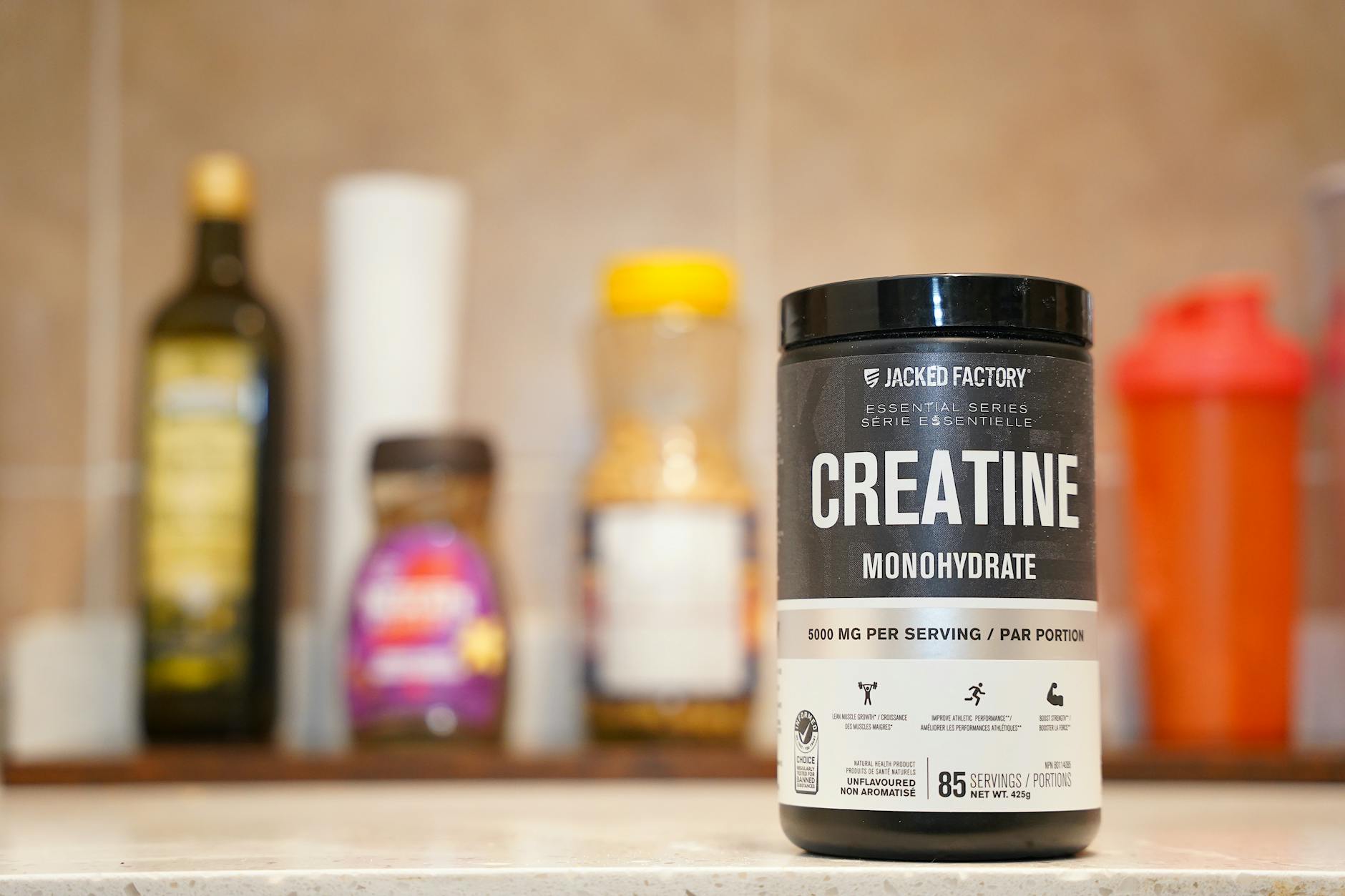
Creatine gummies and creatine powder occupy the same shelf space. They do not carry the same evidence burden. Most sports-nutrition trials use creatine monohydrate in plain powder form, and in a 2022 Nutrients review Richard B. Kreider, Ralf Jäger and Martin Purpura concluded that creatine monohydrate remains the only source with substantial evidence for bioavailability, efficacy, and safety. Gummies are being sold first on convenience, not on a trial history of their own.
For shoppers, that can be easy to miss. A gummy may be simpler to remember than a scoop, but convenience does not settle the harder question: can the product deliver a stable, accurately labelled dose after manufacturing and storage? Right now, powder still owns the clearer research base. Gummies add uncertainty around moisture, acidity, processing, and shelf life.
On the label, the two formats can sound interchangeable. Same grams. Same performance promise. The chemistry is tougher than the packaging suggests. A gummy has to carry creatine through a wetter, more acidic environment without losing potency.
What the evidence actually shows
Plain monohydrate still anchors the research record. In the 2022 review in Nutrients, the authors examined bioavailability, meaning how well a compound is absorbed and made available to the body, alongside efficacy and safety across marketed creatine forms. They did not argue that every newer format fails. They argued something narrower: creatine monohydrate remains the version with the deepest evidence behind it.
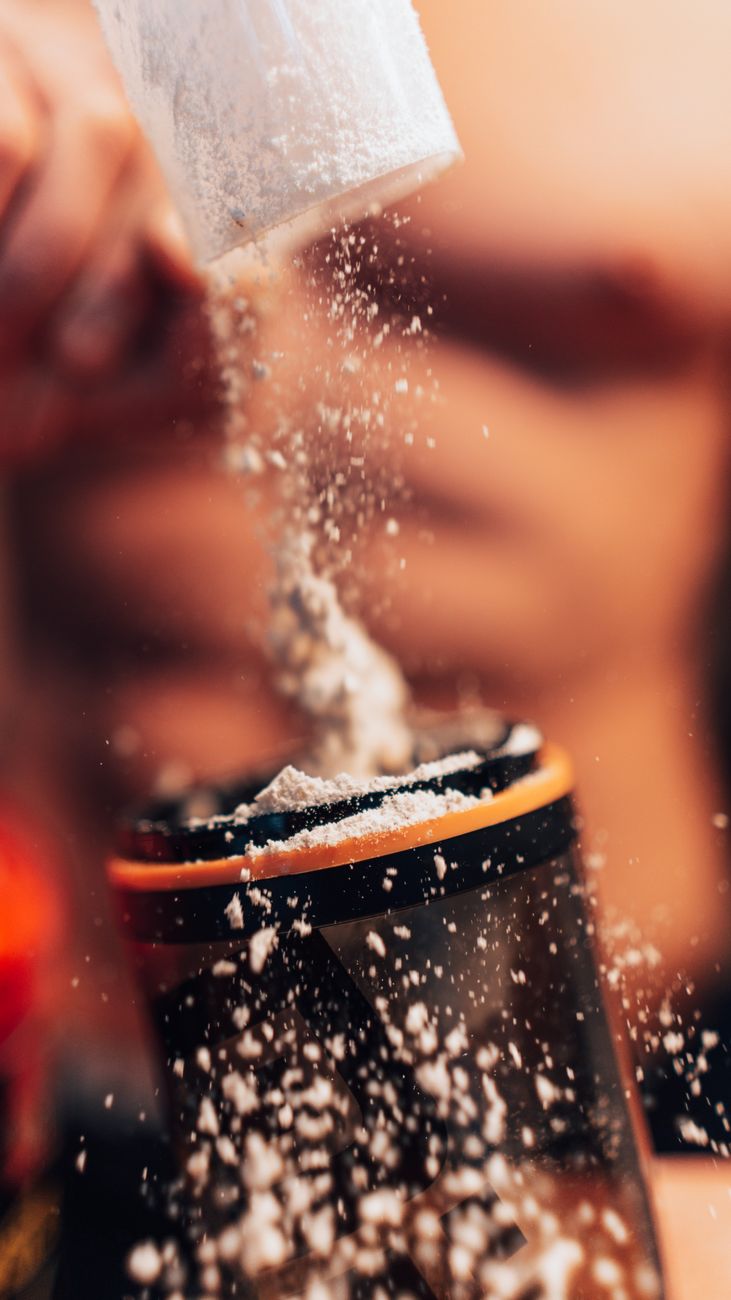
What is missing from the literature matters as much as what is present. This fact bundle does not include head-to-head human trials showing that creatine gummies raise muscle creatine stores, improve training performance, or match powder over time. “As effective” may sound like a retail comparison, but it is really a clinical question.
Even Kreider and colleagues’ indexed 2022 paper record points back to plain monohydrate. In the paper, they wrote that “CrM continues to be the only source of creatine that has substantial evidence to support bioavailability, efficacy, and safety.”
That leaves powder with a practical advantage as well as a research one. It is the form researchers have tested again and again, and the dry format is comparatively simple to keep stable. The product in the tub is closer to the compound used in the studies.
Why the gummy format is harder to validate
The appeal of gummies is obvious. The validation problem is not. As Nutraceuticals World reported, industry sources described water, heat, acidity, and processing as the main obstacles to keeping creatine stable inside a gummy matrix.

In that report, Mark Faulkner, founder and president of Vireo Systems / Con-Crēt, said, “Currently, there are no conjugations of creatine that will hold up for very long in an aqueous environment.”
Aqueous means water-based. That is the sticking point. Gummies are not merely dry creatine in a different shape; they are chewy products built from water, sweeteners, acids, flavouring, gelling agents, and shelf time. Even when a manufacturer starts with creatine monohydrate, the finished gummy still has to protect it. Showing that creatine works is one scientific task. Showing that a gummy preserves it is another.
Plain powder is less exciting. It is also less complicated. A dry tub has fewer chances to drift away from the label than a fruit-flavoured chew that spends weeks in storage.
For that reason, gummies face a higher validation bar than powder. They need stability data, accurate label claims, and independent testing showing that the claimed dose survives manufacturing and storage. Without that evidence, equivalence is being assumed rather than shown.
What the quality-control reports are finding
The quality-control reporting points the same way. In reporting from Nutraceutical Business Review, NOW’s senior director of quality, Katie Banaszewski, described a testing program in which 46% of 12 creatine gummy products failed label-claim expectations. The same report said another testing effort by SuppCo found failures in four of six products. These are not efficacy trials, but they matter because a supplement that misses its claimed dose cannot be expected to perform like the powder used in research.
Banaszewski’s concern was about testing capacity, not branding. She told Nutraceutical Business Review, “It’s concerning that NOW was not able to identify a third-party lab to test the gummies, given the rapid growth of that delivery system and the regulatory requirement to confirm label compliance.”
That shifts the reader’s question again. The issue is not only whether creatine works. For creatine monohydrate, the evidence already leans yes in the right training settings. The tougher question is whether a given gummy still contains the same ingredient in the same amount by the time someone eats it. If third-party labs are struggling to test the category consistently, that is a warning sign.
So are creatine gummies as effective as powder?
On the evidence available here, no. Powder is supported by direct human research and a long record of use. Gummies rest mostly on an inference: if a gummy delivered a stable, accurately dosed amount of creatine monohydrate, it could in principle work the same way. This reporting package does not show that the category has earned that assumption across products.
Vitalspell’s cautious answer follows from the source mix. Kreider and colleagues’ 2022 review supports creatine monohydrate itself. Nutraceuticals World’s reporting raises stability questions specific to gummies. Nutraceutical Business Review’s testing story raises label-accuracy questions specific to gummies. Together, those sources do not prove that gummies never work. They do show why powder still has the clearer evidence position.
What would settle the question? Direct gummy trials, shelf-stability data published by manufacturers or independent labs, and broader third-party testing showing that labels still match contents over time. Until then, creatine gummies look like a convenient format with open quality questions, while creatine monohydrate powder remains the better-supported option. Anyone considering a supplement routine should consult a doctor before starting creatine or changing dosage.
References
- Kreider RB, Jäger R, Purpura M. Bioavailability, efficacy, safety, and regulatory status of creatine and related compounds: a critical review. Nutrients 14(5). 2022. Full text
- Kreider RB, Jäger R, Purpura M. PubMed indexed record for bioavailability, efficacy, safety, and regulatory status of creatine and related compounds. PubMed. 2022. PMID 35268011
The Vitalspell brief
Evidence-based supplement science — weekly in your inbox.
Subscribe