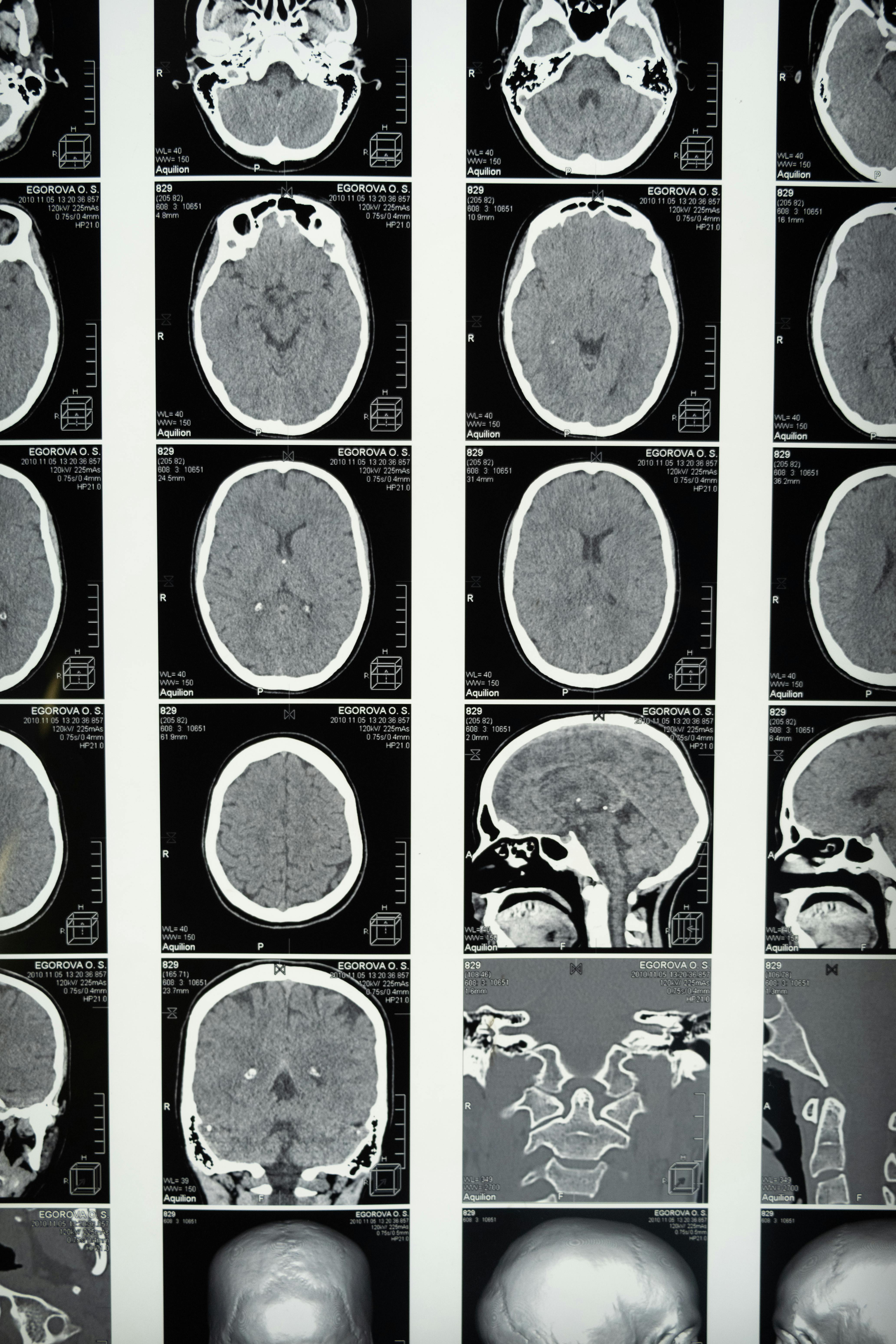
What the new UPF study says about attention and dementia risk
Ultra-processed foods and dementia risk are linked in a new Australian study, but the clearest signal was lower attention, not proof of causation.
Ultra-processed foods have mostly been framed as a heart-and-metabolism story. A new Australian paper argues for adding the brain to that list. Among 2,192 dementia-free adults, higher ultra-processed food intake tracked with worse attention scores and higher modifiable dementia-risk scores, even after adjustment for Mediterranean-style diet adherence.
Readers should still resist turning that into a dementia diagnosis headline. In Cardoso and colleagues’ 2026 paper in Alzheimer’s & Dementia: Diagnosis, Assessment & Disease Monitoring, attention rather than memory produced the clearest signal in adults aged 40 to 70. Every 10 percent rise in ultra-processed food intake was associated with a 0.05-point drop in attention scores and a 0.24-point increase in a dementia-risk score. None of that can prove that packaged food habits directly damage the brain.
Methodologically, the paper is more cautious than its hook. Diet and cognition were measured at the same time, food intake was self-reported, and the dementia component came from a modified CAIDE score rather than future diagnoses. Framed that way, the study adds to concern around heavy ultra-processed food intake and midlife brain-health markers. It does not show that ultra-processed foods cause dementia.
What the study actually measured
Coverage can outrun a design like this. The study team assessed 2,192 adults who did not have dementia, classified their diets using the Nova framework for ultra-processed foods, and measured cognition with the Cogstate Brief Battery. Researchers then asked whether the share of daily energy coming from ultra-processed foods moved with specific cognitive domains and with an estimate of modifiable dementia risk.

Put plainly, the result is narrower than the phrase “dementia risk” implies. The paper detected an attention signal rather than a direct memory association, which matters because social-media retellings are likely to flatten that distinction into a broader dementia warning.
Cardoso put the result plainly in News Medical’s coverage:
“For every 10 per cent increase in ultra-processed food a person consumed, we saw a distinct and measurable drop in a person’s ability to focus.”
— Barbara Cardoso, News Medical
From the authors’ standpoint, that signal matters. Attention is not a trivial measure; in midlife it can register early functional change long before clinicians talk about dementia. Yet it still falls short of showing that any one person is on a fixed path toward cognitive decline. Headlines make the result sound firmer than the paper does.
Timing helps explain the interest. Public debate over ultra-processed foods has concentrated on heart disease, metabolic disease and mortality. Brain outcomes are a newer front, and this Australian paper helps explain why the conversation is widening. It also shows how quickly a plausible concern can harden into a claim the data do not quite support.
Why the Mediterranean diet result stands out
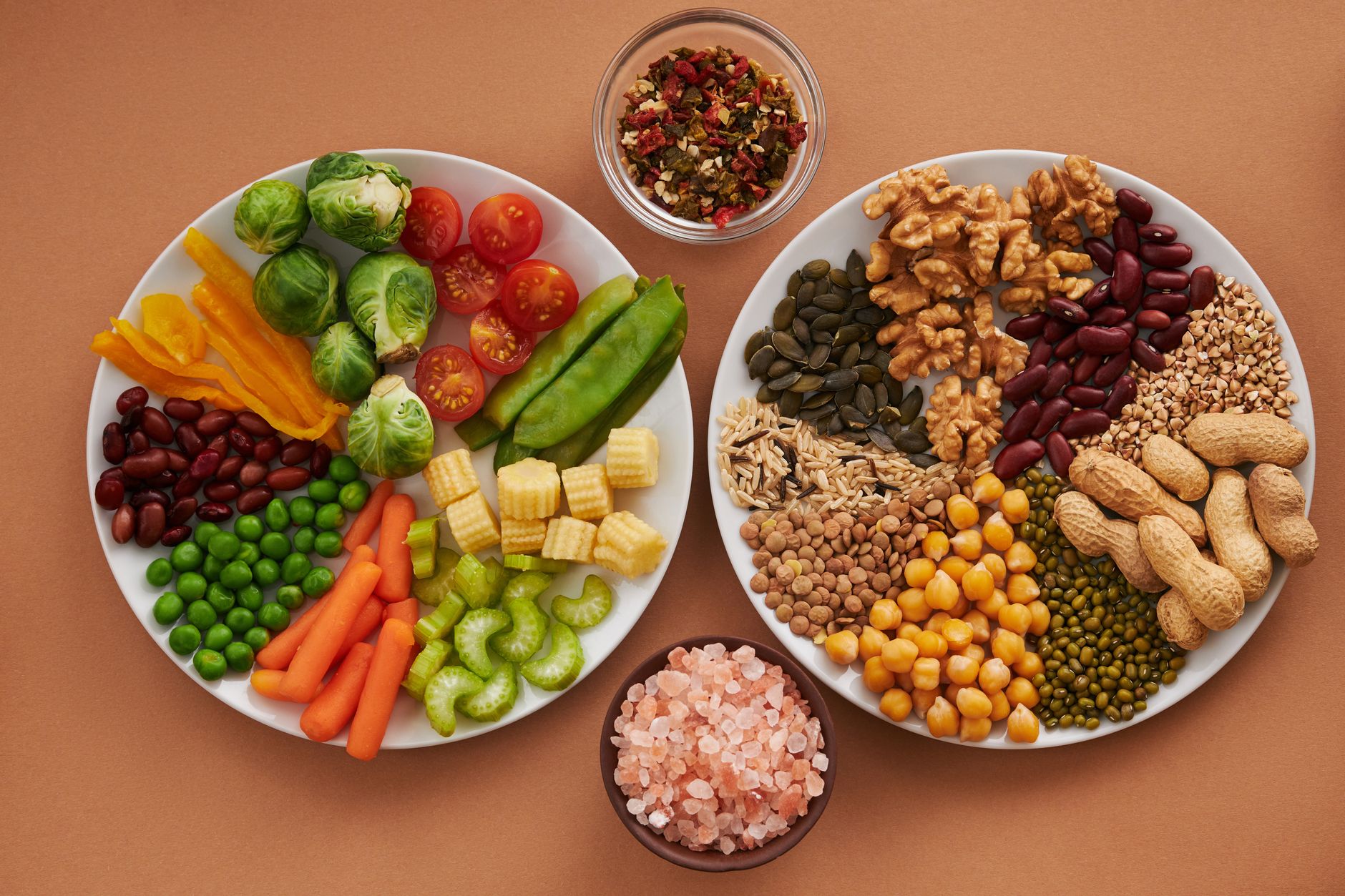
Most useful analytically is the result that survived adjustment for Mediterranean-diet adherence. Here, the study moves past the lazy interpretation that ultra-processed foods only look bad because people who eat more of them also eat fewer vegetables, beans, fish and whole grains. Within this dataset, the association did not disappear once overall diet quality was taken into account.
Cardoso made the same point in SBS News:
“The adherence to a Mediterranean-style diet did not counterbalance the negative association we found for ultra-processed foods.”
— Barbara Cardoso, SBS News
Mechanism remains open, however. Nutrition epidemiology rarely offers certainty at that level. More importantly, the adjustment result makes the usual nutrient-displacement explanation feel incomplete. If two people look similarly healthy on a diet-quality score and the one eating more ultra-processed foods still performs worse on attention, the next question becomes food structure, additives, texture, eating speed, satiety signalling, or some other feature wrapped into the ultra-processed category.
Skeptics still have plenty to work with. A cross-sectional study cannot sort out whether ultra-processed foods helped drive the attention gap, whether people with weaker attention patterns defaulted to easier packaged foods, or whether both sit downstream from another variable such as stress, work schedule, income or sleep. Self-reported food frequency data add another layer of uncertainty. Even the dementia-risk signal rests on a modified CAIDE score rather than validated long-term dementia outcomes. Helpful as the result is, it sharpens the hypothesis rather than closing the case.
One immediate reader question does get a partial answer: is this only a story about eating too few minimally processed foods? In this dataset, no, not entirely. That is why the result is worth noticing.
Where the wider literature points, and where it still does not
Across the wider literature, the Australian paper mostly fits. A 2023 systematic review in Frontiers in Nutrition concluded that higher ultra-processed food intake was associated with greater Alzheimer’s disease risk in the observational literature it reviewed. A separate 2023 meta-analysis in Journal of Neurology also linked high ultra-processed food intake with dementia across observational studies. Taken together, those papers make the strongest policy case for taking the Australian result seriously.
Not everything lines up, though. A 2026 study in European Journal of Nutrition reported no association between ultra-processed food intake and cognitive decline in older adults. That does not cancel out the Australian result. Different populations, different outcome measures, different follow-up windows, and the usual epidemiology problem of lifestyle patterns clustering together all sit in the background here.
From a policy perspective, the defensible claim is narrow. Officials do not need to wait for a lifetime randomized trial before warning that heavily ultra-processed diets look risky across metabolic and some cognitive endpoints. Journalism, though, should resist pretending that the dementia question is settled. Stronger in 2026 is the claim that higher ultra-processed food intake keeps appearing in studies of worse brain-health markers. Weaker, and still unproven, is the claim that it directly drives dementia in a linear way.
Overstatement is the bigger media risk. Readers hear “dementia risk” and translate it into fate. The paper does not support that leap. More precise is the concern it does support: in a middle-aged Australian sample, more ultra-processed food tracked with worse attention and a higher modifiable risk profile, even after accounting for Mediterranean-style diet adherence. That is enough to take seriously. It is not enough to speak in certainties.
Quiet takeaways often age better than loud ones. Cardoso and colleagues’ 2026 paper strengthens the argument that ultra-processed foods belong in brain-health discussions, not only cardiometabolic ones. It also reinforces a basic rule of nutrition reporting: when an observational study sounds an alarm, the first job is to understand exactly what was measured. In this case, the cleanest summary is not “ultra-processed foods raise dementia risk.” It is that a new paper found an attention signal worth watching, alongside a causation gap readers should keep in view.
References
- Cardoso BR, Steele EM, Brayner B, et al. Ultra-processed food intake, cognitive function, and dementia risk: a cross-sectional study of middle-aged and older Australian adults. Alzheimer’s & Dementia: Diagnosis, Assessment & Disease Monitoring. 2026. https://alz-journals.onlinelibrary.wiley.com/doi/10.1002/dad2.70335
- Consumption of ultra-processed foods and risk for Alzheimer’s disease: a systematic review. Frontiers in Nutrition. 2023. https://www.frontiersin.org/journals/nutrition/articles/10.3389/fnut.2023.1288749/full
- High intake of ultra-processed food is associated with dementia in adults: a systematic review and meta-analysis of observational studies. Journal of Neurology. 2023. https://link.springer.com/article/10.1007/s00415-023-12033-1
- Ultra-processed food intake and cognitive decline in older adults. European Journal of Nutrition. 2026. https://link.springer.com/article/10.1007/s00394-026-03896-x
General assignment health reporter covering nutrition science, wellness trends, and clinical research. Reports from Toronto.
The Vitalspell brief
Evidence-based supplement science — weekly in your inbox.
Subscribe